3 Ways Dental Bridges Can Restore Your Smile
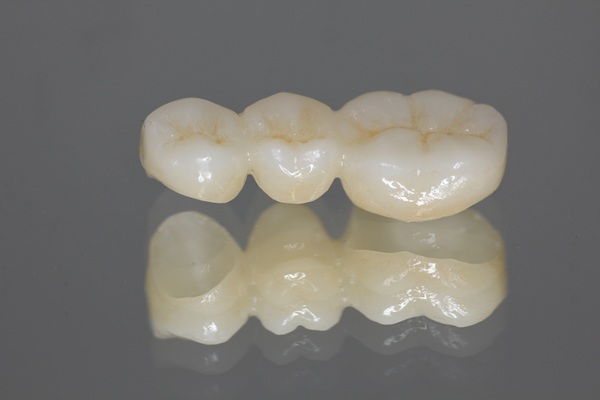
A dental bridge replaces one or more missing teeth by anchoring a lifelike “pontic” to neighboring teeth or implants. This fixed option restores chewing, speech clarity, and a natural-looking smile line. By filling the space, a dental bridge helps prevent drifting teeth, changes in bite, and excessive wear on remaining enamel. The material, whether porcelain fused to metal, all-ceramic, or zirconia, allows careful shade matching and durable function. For many patients, a dental bridge offers a timely, conservative path to stable function without removable parts.
Why choose a bridge
Dentists recommend a dental bridge when healthy abutment teeth frame a gap or when implants are already in place to support a fixed restoration. Bridges distribute biting forces, protect gum contours, and maintain facial support. The design stays in place, so patients eat and speak without taking anything in or out. A dental bridge can also complement other care, such as orthodontics or gum treatment, to create balanced contacts and smoother surfaces for cleaning. During the consultation, the dentist reviews options, timelines, and costs to align the plan with health goals.
Three smile-restoring uses
A dental bridge adapts to different situations while preserving everyday comfort.
- Replace a single missing tooth by bonding the pontic to crowns on the adjacent teeth or to a single implant abutment. This closes the space and restores normal chewing paths.
- Span a short multiple-tooth gap with a two- or three-unit bridge, reestablishing symmetry and protecting neighboring teeth from shifting or tipping.
- Stabilize worn or tilted teeth by incorporating them into the design, thereby leveling the bite and creating easier-to-clean contours.
These applications allow a dental bridge to restore appearance and function with a familiar, fixed feel.
Treatment and care
Most dental bridge cases take two visits. At the first appointment, the dentist prepares the abutment teeth, refines the bite, and captures digital scans or impressions. A well-fitted temporary protects the prepared teeth and guides the gum shape around the pontic. At the second visit, the dentist tries the final dental bridge, verifies shade and contacts, then cements it after polishing and instruction. Home care matters: brush twice daily with a soft brush, floss under the pontic with a threader or interproximal brush, and use an alcohol-free rinse to reduce plaque. Limit frequent sipping of coffee, tea, or soda, which can stain or increase acidity. If clenching or grinding occurs at night, a custom guard helps distribute pressure. Schedule professional cleanings as recommended; hygienists use bridge-friendly tools to remove hardened deposits, and the dentist checks margins, bite balance, and tissue health. When something feels off, such as a “high” spot, a rough edge, or trapped food, prompt adjustments protect the restoration and surrounding gums.
Schedule a visit today
Choosing the right solution for a missing tooth (or several) starts with a clear exam and conversation about comfort, function, and maintenance. A dentist can compare a dental bridge with implants or partial dentures, outline steps, and map out care that fits personal goals and timelines. For more information or to schedule an appointment, call our office.
To schedule a consultation, please request an appointment on our website at https://www.friendlydentalmurrieta.com or call Friendly Dental Center at (951) 319-3281 to arrange an appointment at our Murrieta office.
Check out what others are saying about our dental services on Yelp: Dental Bridges in Murrieta, CA.
Related Posts
Root canal therapy is often the final step in saving a severely damaged or infected tooth. However, in most cases, a general dentist will recommend placing a dental crown after root canal therapy to contribute to your long-term oral health. This restoration strengthens and protects the treated tooth, helping the tooth to maintain its function,…
When individuals experience multiple dental issues at once, they may be candidates for full mouth reconstruction. This process can involve multiple procedures to address oral health issues while rebuilding the function and appearance of one's teeth. A general dentist provides this extensive process to rebuild and restore all of the teeth in both the upper…
When you hear about a wisdom tooth extraction, you may have many thoughts and questions. If you have a procedure coming up, it is helpful to understand what will happen and how it can benefit your health. You do not want to go into this surgery uninformed. Though the surgery can be extensive and have…
A smile makeover can change the way teeth look, feel, and function by combining treatments into one personalized plan. As a general dentist, the focus stays on oral health first, then appearance. This approach helps patients address concerns such as discoloration, uneven spacing, worn edges, and missing teeth in a way that fits their needs.…